Tapping one of tourism’s fastest-growing and highest-spending segments, Hong Kong is carving out an identity as a Muslim-friendly destination.
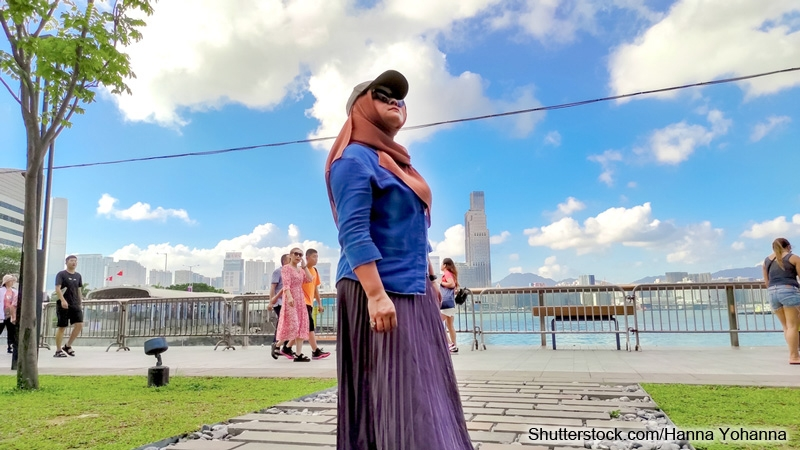
With an eye on claiming a bigger slice of one of tourism’s fastest‑growing global markets, Hong Kong is ramping up efforts to establish itself as a Muslim‑friendly destination.
Southeast Asian visitors, particularly from Muslim‑majority nations, surged in 2024 to become Hong Kong’s second‑largest source of tourists after Mainland China. According to Hong Kong Tourism Board statistics, Malaysian visits jumped 50% to 405,508, while Indonesian arrivals rose 43% to 366,973. The city also welcomed 16,498 visitors from the Gulf Cooperation Council nations – Bahrain, Kuwait, Oman, Qatar, Saudi Arabia and the United Arab Emirates.
Back in February, meanwhile, Chief Executive John Lee Ka‑chiu unveiled plans to establish Hong Kong as a priority destination for Muslim travellers, announcing streamlined immigration procedures and expanded Halal dining options.
The missing piece
Despite some progress, Hong Kong’s Halal market still “has a very long way to go,” according to Siddiq Bazarwala, Director of the Halal Association of Hong Kong. For a city renowned for its diverse culinary scene, Halal dining options remain limited and are currently dominated by Indian subcontinental cuisines. Expanding on the available Halal offerings, Bazarwala said, will require “proper marketing, public education and government financial support.”
The answer, however, does not lie in simply replicating Middle Eastern or Southeast Asian experiences. That, at least, is the view of Emil Fazira, Asia Pacific Insight Manager for Euromonitor International, who highlighted that, while Hong Kong excels in food tourism, it lags in terms of experiential offerings.
The solution, Fazira suggested, lies in developing a distinctive Muslim‑friendly identity that showcases Hong Kong’s unique character. Expanding on this, she said: “Highlighting its Islamic heritage could allow Muslim tourists to appreciate Hong Kong’s unique traits and a history that is aligned to their interests. First, though, Hong Kong must identify its unique traits that appeal to the average traveller.”
One of Hong Kong’s largely untapped advantages in this regard is its rich Muslim heritage. Detailing the potential here, Fazal Bahardeen, Chief Executive of CrescentRating, a Singapore‑headquartered Halal travel consultancy, said: “Organising Ramadan bazaars, annual Halal expos and Halal food fairs that celebrate halal gastronomy and lifestyle products would create numerous opportunities for cultural exchange and attract both residents and international visitors.”
Beyond that, the business case for securing Halal certification is as persuasive, as doing so will open doors to an under‑served market segment with high spending power. Confirming this, Fazira said: “Halal‑certified establishments, particularly food and drink outlets, will naturally attract Muslim travelers, providing them with easier access to a more diverse range of food options without compromising their beliefs.”
She also believes that, in the age of social media, digital platforms are already doing much of the heavy lifting, saying: “Travel influencers and social media, which typically put together dining itineraries for Muslim travellers, are a source of information increasingly important to today’s consumers.”
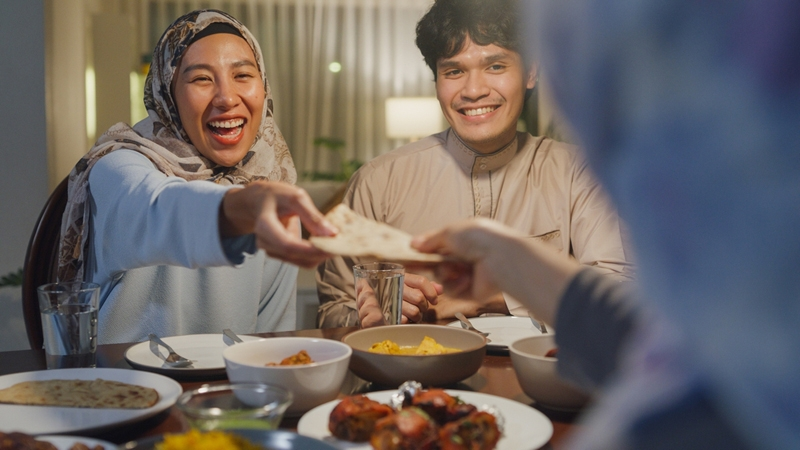
That said, the cumbersome Halal certification process is an added cost and one that deters some business owners. Explaining how this can be mitigated, Bazarwala said: “A long‑term solution is to have Halal certifications in Hong Kong semi‑subsidised by the government or to introduce tax rebates. This would not only help the local F&B industry, but also incentivise more F&B operators to embrace Halal, ultimately serving the goal of boosting Halal tourism.”
Building an ecosystem
Overall, Muslim travellers now represent one of global tourism’s fastest‑growing and highest‑spending segments. Indeed, according to the Mastercard-CrescentRating Global Muslim Travel Index, the number of Muslim tourists will reach 230 million by 2028. Putting this into perspective, Bahardeen said: “This presents a substantial opportunity for Hong Kong to increase tourist arrivals and diversify the types of visitors it attracts.”
According to a number of sources, the impact of this is already visible in the events sector. For her part, Sharifa Leung, Managing Director of 3 Hani Enterprises, a Hong Kong‑based Halal events consultancy, has witnessed a surge in demand for Muslim‑friendly event services over the past two years. By and large, she attributes this growth to the higher level of Muslim business travel spurred by the success of the Belt and Road Initiative (BRI).
Providing an overview of this change, she said: “This shift has prompted a rise in specialised event planning services that cater specifically to the unique requirements of such events, including Halal catering, venue selection and culturally appropriate entertainment. It’s essential for the industry to adapt and evolve, ensuring that Muslims in Hong Kong have access to high‑quality, respectful and culturally appropriate event planning services.”
For Bahardeen, the key to creating a destination that Muslims desire to visit is building a comprehensive Muslim‑friendly tourism ecosystem. Echoing this, Leung said that integrating prayer spaces throughout the city’s public areas, attractions, shopping malls and transport hubs is also now a priority.
Beyond prayer spaces and dietary accommodations, staff training is also important, with Leung saying: “Enhanced training focused on Halal requirements can foster a more inclusive environment, allowing non‑Muslim event planners and businesses to better serve their Muslim clients.”
Bahardeen, meanwhile, stressed that this education needs to extend throughout the hospitality sector, adding: “Equipping staff with a better understanding of Muslim travellers’ cultural and faith‑based needs will go a long way to ensuring a welcoming environment.”
For Leung, this must include addressing the shortage of Halal certification experts. Accordingly, her company is implementing initiatives to develop local expertise in Halal requirements. Explaining why this is a priority, she said: “We focus on educating local food suppliers and restaurant procurement teams on halal requirements, which is vital for maintaining halal certification and understanding the effort involved.
“In addition, robust marketing campaigns and promotional programmes will help shift public perceptions and enhance Hong Kong’s reputation as a hospitable destination for the growing Muslim community.”